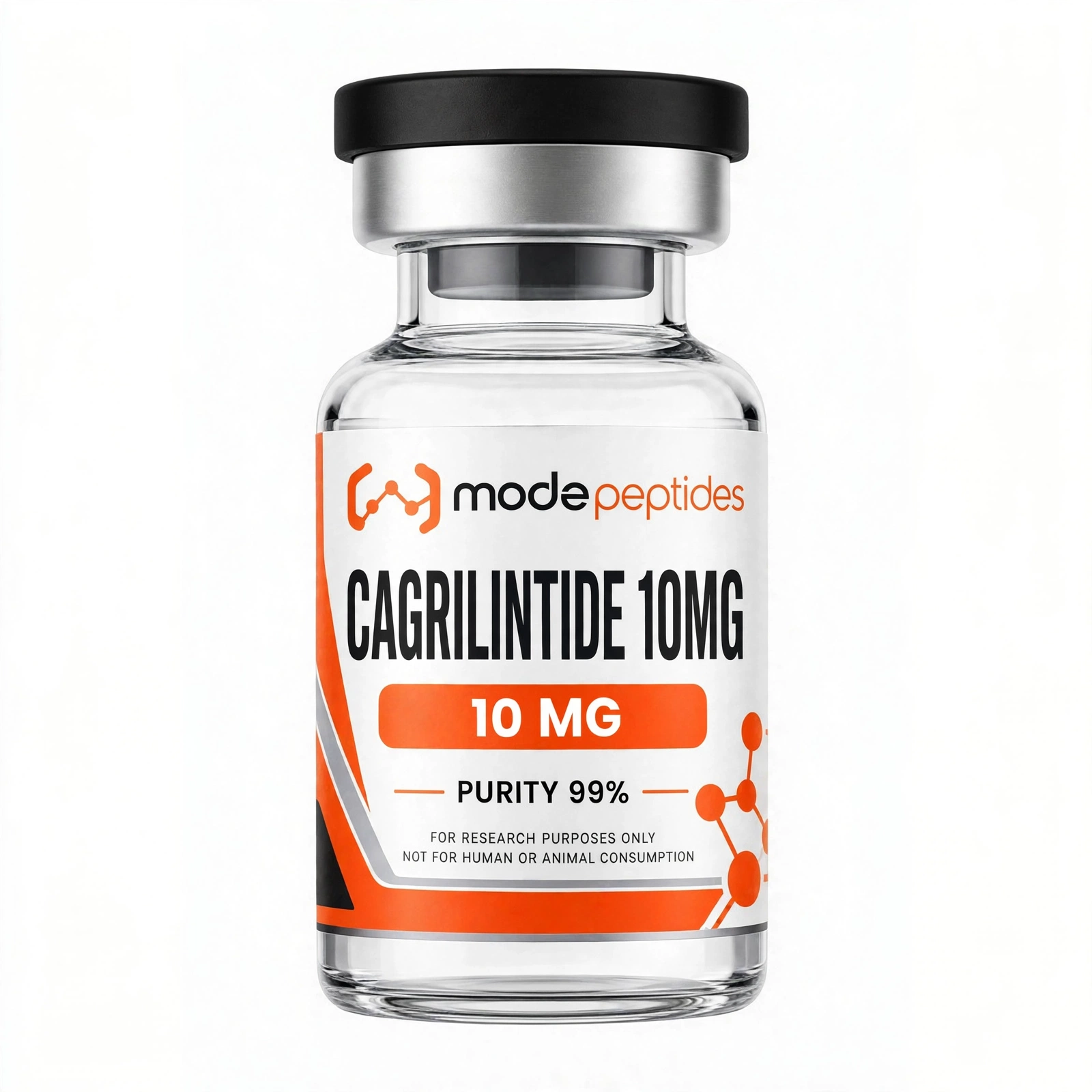
Cagrilintide 10mg Lyophilized Vial – Mode Peptides
Cagrilintide is a long-acting amylin analog studied for satiety, delayed gastric emptying, and glucagon regulation. A key focus in next-gen weight management research, it is often investigated alongside GLP-1 agonists for synergistic appetite control via hindbrain amylin pathways. Supplied as 10mg lyophilized powder.
For Research Purposes Only. Not for human or animal consumption.
$54.99 Original price was: $54.99.$40.59Current price is: $40.59.
Today
Today
3 - 7 Days
$139.99 Original price was: $139.99.$104.73Current price is: $104.73.
Mode Peptides Cagrilintide 10 mg is a high-purity, next-generation amylin analog supplied as a stable lyophilized powder for advanced metabolic and appetite regulation research.
Cagrilintide is a long-acting, acylated analog of amylin, a hormone co-secreted with insulin from pancreatic beta cells. As a potent amylin receptor agonist, it mimics the physiological actions of endogenous amylin to promote satiety, delay gastric emptying, and regulate glucagon secretion. Unlike native amylin. Cagrilintide has been engineered with structural modifications that extend its half-life, making it ideal for sustained research protocols. It has become a critical focus of modern weight management research, particularly in combination studies with GLP-1 receptor agonists like Semaglutide. Where researchers investigate synergistic effects on appetite suppression and weight reduction.
The lyophilized format supports stability and helps protect the research material from degradation under appropriate storage conditions. Additionally, it allows researchers to perform controlled reconstitution according to established laboratory protocols. Furthermore, this format supports consistent sample handling for rigorous laboratory investigations.
Cagrilintide 10 mg is utilized in preclinical and in-vitro models studying amylin receptor activation and satiety signaling, delayed gastric emptying and food intake regulation, glucagon suppression in a glucose-dependent manner, and synergistic effects. When combined with GLP-1RAs (e.g., CagriSema research model), leptin sensitivity and long-term weight homeostasis, hedonic eating and food cravings are reduced. Glucose metabolism and insulin sensitivity are independent of weight loss and gastric-brain axis communication. Researchers utilize this peptide to map the distinct yet complementary pathways of amylin vs. incretin hormones. Because amylin acts primarily on the area postrema and nucleus tractus solitarius in the hindbrain, distinct from GLP-1’s hypothalamic targets. Cagrilintide provides a unique tool to study dual-brain-pathway appetite regulation without overlapping receptor desensitization.
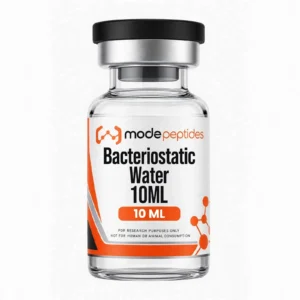
Each vial includes a Certificate of Analysis (COA). For proper storage, keep the unreconstituted lyophilized powder at -20°C in a dry environment protected from light and moisture. When reconstituting, use bacteriostatic water under appropriate aseptic laboratory conditions. After reconstitution, store the material at 2–8°C and follow established laboratory protocols for handling and use. Additionally, avoid repeated freeze-thaw cycles to help maintain sample integrity.
Researchers use the Cagrilintide 10mg Research Product exclusively for controlled laboratory and scientific research. Specifically, researchers may study cagrilintide in experimental models involving amylin receptor signaling and appetite-related pathways, as well as metabolic regulation, gastric function, and related biochemical mechanisms. Furthermore, this material is for research use only; researchers should not use it for human use, animal use, self-administration, diagnosis, treatment, cure, or prevention of any disease or medical condition. Qualified laboratory personnel should handle and evaluate the material according to established research protocols, institutional requirements, and applicable laboratory safety procedures.
Documentation, not promises.
Rarely
Sometimes
X
X
Varies